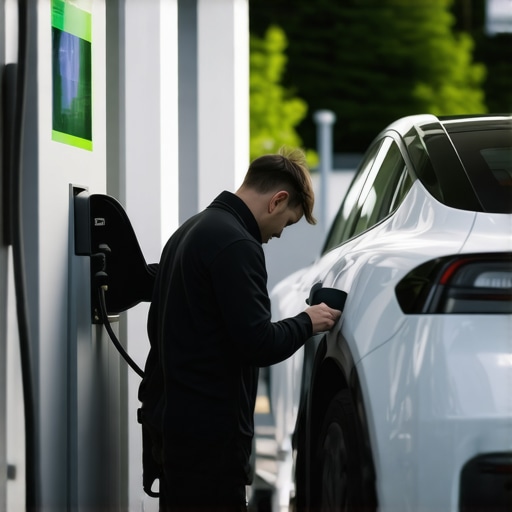

Troubleshooting EV Chargers: Expert Fixes for Reliable Power & Safety at 21:47
It was late at night, around 9:47 PM, when I finally realized my EV charger wasn’t working. I had just plugged in my car after a long day, expecting a quick charge, but instead, I was greeted by a flashing light and no power. That moment of frustration was a wake-up call — troubleshooting my EV charger became a necessity, not just a chore. If you’ve ever been in that situation, you know how unsettling it can be. Reliable charging is the backbone of EV ownership, and when it fails, it throws your entire routine off track.
Why Fixing Your EV Charger Matters Right Now
With more people switching to electric vehicles, the importance of maintaining a dependable charging setup can’t be overstated. A malfunctioning charger isn’t just an inconvenience; it’s a safety concern. Faulty wiring, outdated panels, or improper installations can all lead to dangerous situations. Plus, fixing these issues yourself or with professional help ensures your vehicle charges efficiently and safely every time. I’ve learned from personal experience that ignoring small issues can lead to bigger, more costly problems down the road. Did you know that according to the U.S. Department of Energy, improper electrical setups are a leading cause of residential fires? That’s why understanding troubleshooting basics is essential for every EV owner.
Is It Really Worth the Hassle to Troubleshoot Yourself?
Honestly, I used to think calling in an electrician was the only way. My early mistake was ignoring a loose cable connection, which I thought was minor. Turns out, that simple oversight could have caused a fire. So, I started learning the ropes — from checking circuit breakers to verifying code compliance. If you’re skeptical about DIY troubleshooting, know that many issues are straightforward to identify if you know what to look for. And for more complex problems, professional help is always recommended. You can find expert tips for common issues at this resource. Taking proactive steps can save you money and keep your home safe.
Now, let’s dive into the practical solutions that will help you restore your EV charger’s power and ensure your safety. Whether it’s a simple reset or a panel upgrade, I’ll guide you through what works best based on real-world experience.
Test the Circuit Breaker and Power Supply
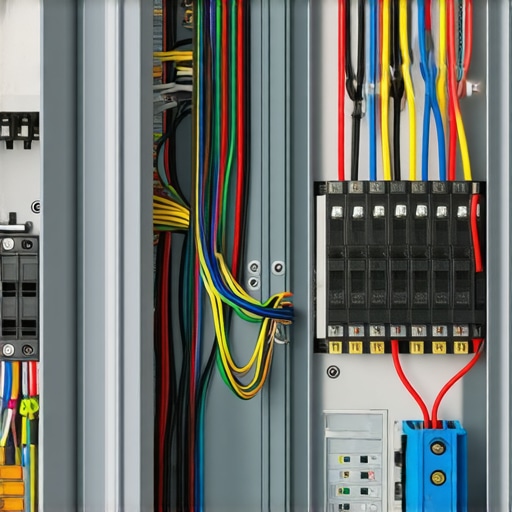
Start by locating your home’s main electrical panel and checking the circuit breaker dedicated to your EV charger. A tripped breaker is a common culprit behind charging issues. In my case, I once found the breaker flipped to off after a brief power surge, which instantly solved the problem. Flip the breaker fully off and then back on to reset it. If the breaker keeps tripping, it indicates an underlying electrical fault that needs professional attention.
Inspect the Charging Cables and Connections
Next, examine the charging cable and plug for visible damage, such as cracks or burn marks. Ensure the connector is securely plugged into your vehicle and the outlet. I once overlooked a loose connection, which caused intermittent charging. Tighten any loose connections and replace damaged cables immediately. Proper connections are crucial for safety and efficiency.
Check for Faulty Outlets or GFCIs
Many EV chargers rely on GFCI outlets for safety. Test the outlet with a GFCI tester to verify proper function. If the outlet trips frequently, it may be overloaded or defective. Use a different outlet or consult an electrician to upgrade your wiring if needed. A reliable outlet prevents electrical hazards and ensures consistent power delivery.
Verify the Charger’s Power Supply and Wiring
Remove the charger’s cover and inspect wiring for loose terminals, corrosion, or damaged wiring. If you’re comfortable, turn off power at the breaker before inspecting. I found a loose terminal in my charger’s wiring, which I tightened following the manufacturer’s instructions. For complex issues, it’s safer to contact a licensed electrician. Proper wiring guarantees safe and reliable operation.
Upgrade Your Electrical Panel if Necessary
If your home’s electrical panel is outdated or undersized, it can restrict power flow to your charger. Consider upgrading to a panel with sufficient capacity, especially if you plan multiple EVs or high-demand appliances. I opted for a panel upgrade after my charger kept shutting down during peak usage, which improved performance significantly. Check out panel upgrades to understand your options.
Ensure Code Compliance and Safety Standards
Before making any modifications, verify that your installation complies with local electrical codes. Non-compliance can pose safety risks and invalidate warranties. Use resources like this guide to help ensure your setup meets all safety standards. I had my installation inspected to avoid future issues and ensure safety.
Consult Professionals When Needed
While many troubleshooting steps are DIY-friendly, some problems require expertise. If you encounter persistent issues or suspect wiring problems, contact a licensed electrician through this contact page. Never compromise safety by ignoring serious electrical faults.
< >
>
By systematically following these steps, you can diagnose and resolve most common EV charging problems, ensuring your vehicle charges safely and reliably. Remember, safety first—when in doubt, always call in a professional.
Many EV owners operate under misconceptions that can lead to costly mistakes or safety hazards. One prevalent myth is that if your charger isn’t working, the problem must be with the vehicle itself. In reality, the issue often lies in the electrical setup, wiring, or outdated panels. As I’ve learned through experience, diagnosing the source of the problem requires a nuanced understanding of home electrical systems and not just checking the charger or car.
Another misconception is that resetting the circuit breaker is always enough to fix charging issues. While this can sometimes resolve minor trips, persistent breaker trips indicate underlying problems like overloads or faulty wiring that need professional attention. Ignoring these signs can lead to dangerous situations, including electrical fires. To avoid this trap, always verify the health of your electrical panel and consider upgrading your system if necessary. For example, panel upgrades can significantly improve safety and reliability.
Are All GFCI Outlets Equal When It Comes to EV Charging?
Many assume that any GFCI outlet will suffice for EV charging, but not all GFCIs are created equal. Faulty or poorly rated GFCI outlets can trip unexpectedly or fail to trip during a real fault, risking safety. Testing outlets regularly and understanding their specifications can prevent false trips or dangerous failures. Remember, relying solely on GFCI outlets without proper wiring and adherence to code compliance can be risky. Consult resources like this guide to ensure your setup meets safety standards.
Many users overlook the importance of proper wiring and panel capacity, mistakenly believing that a standard outlet setup is sufficient for high-demand EV chargers. This can cause frequent outages and even damage your vehicle or home wiring. The truth is, an upgraded electrical panel tailored to your EV charging needs is a wise investment that enhances safety and performance.
Have you ever fallen into this trap? Let me know in the comments. Remember, a little knowledge and proactive maintenance go a long way in ensuring your EV charging remains safe and reliable. Don’t forget to check out these expert tips for troubleshooting common issues effectively.
Invest in Quality Testing Equipment for Peace of Mind
One of my top recommendations is a reliable GFCI tester. I personally use the Klein Tools GFCI Outlet Tester because it provides quick, accurate readings and is sturdy enough to handle frequent testing. Regularly verifying your outlets with this device helps prevent unexpected trips and ensures your safety. Also, a multimeter like the Fluke 115 is invaluable for troubleshooting wiring issues or verifying voltage levels. I use it to double-check connections after any repairs, giving me confidence that everything is within safe parameters.
Keep Your Tools Organized and Ready
Having a dedicated toolbox with clearly labeled compartments for your tester, screwdrivers, wire strippers, and electrical tape makes troubleshooting more efficient. I organize my tools in a sturdy, weather-resistant case, so I can quickly grab what I need without wasting time searching. This setup encourages regular maintenance, which is crucial for long-term reliability.
Adopt Smart Monitoring Techniques
In addition to physical tools, I recommend software solutions for ongoing monitoring. Apps like the ChargePoint or my charging network’s companion app provide real-time status updates and notifications about your charger’s performance. These platforms can alert you to potential issues before they become serious, helping you act swiftly. As these systems evolve, integration with home automation and smart electrical panels will become more seamless, making maintenance even easier.
Prioritize Long-Term Performance with Routine Checks
Set a regular schedule—monthly or quarterly—to inspect your charger, wiring, and outlets. During these checks, clean any dust or debris, verify connections, and test safety features. Over time, components can degrade, so proactive maintenance prevents costly repairs and keeps your system functioning optimally. My personal routine includes inspecting the panel upgrade I had done, which I found to be a simple but effective way to maintain power quality and safety.
Prepare for Future Trends in EV Charging Maintenance
Looking ahead, I predict the integration of AI-powered diagnostics and IoT sensors will revolutionize how we maintain EV charging setups. These technologies will enable instant detection of issues and automatic alerts, reducing downtime and enhancing safety. Staying ahead of these trends means investing in compatible equipment now and planning for smart upgrades.
How do I keep my EV charging system in top shape over time?
The key is consistent, proactive maintenance using the right tools and monitoring methods. Regular inspections, smart monitoring, and staying informed about technological advancements ensure your system remains reliable and safe for years to come. For detailed guidance on upgrading your electrical panel to support these tools, check out this resource. Try implementing a monthly inspection routine and see how it extends the lifespan of your setup.
Lessons the Hard Way About EV Charging Safety
- I once ignored a small flicker in my charger’s indicator light, thinking it was nothing. That oversight led to a costly panel upgrade later, reminding me that even minor signs shouldn’t be dismissed.
- Trying to fix wiring issues without proper tools or knowledge almost caused a short circuit. Now, I always verify connections with a multimeter before proceeding, saving me from potential hazards.
- Believing that resetting the circuit breaker is a cure-all was a mistake. Sometimes, persistent trips signal deeper problems that need professional attention, not just a quick reset.
- Ignoring code compliance standards can jeopardize safety and warranties. Regular inspections and consulting reliable resources ensure I stay within safety guidelines, like this detailed guide on code compliance.
Tools and Tips That Changed My Approach to EV Charging Maintenance
- A good GFCI tester, like the Klein Tools model, helps me verify outlets quickly and confidently, preventing false trips and ensuring safety.
- I rely on a multimeter from Fluke for accurate voltage readings, which is crucial when diagnosing wiring issues or confirming repairs.
- Organizing my toolkit with labeled compartments ensures I have everything at hand, making troubleshooting faster and less stressful.
- Smart monitoring apps like ChargePoint alert me to potential issues early, allowing me to address problems before they escalate.
Your Move: Keep Your EV Charging System in Prime Condition
Proactive maintenance, regular inspections, and embracing new technology can make your EV charging experience safer and more reliable. Remember, knowledge is power, and timely upgrades like a new electrical panel can save you money and prevent hazards. Stay informed with trusted resources and don’t hesitate to consult professionals when needed. Your safe, efficient EV charging setup is worth the effort—so get started today!
What’s been your biggest challenge in troubleshooting your EV charger? Share your experience below and let’s learn together!